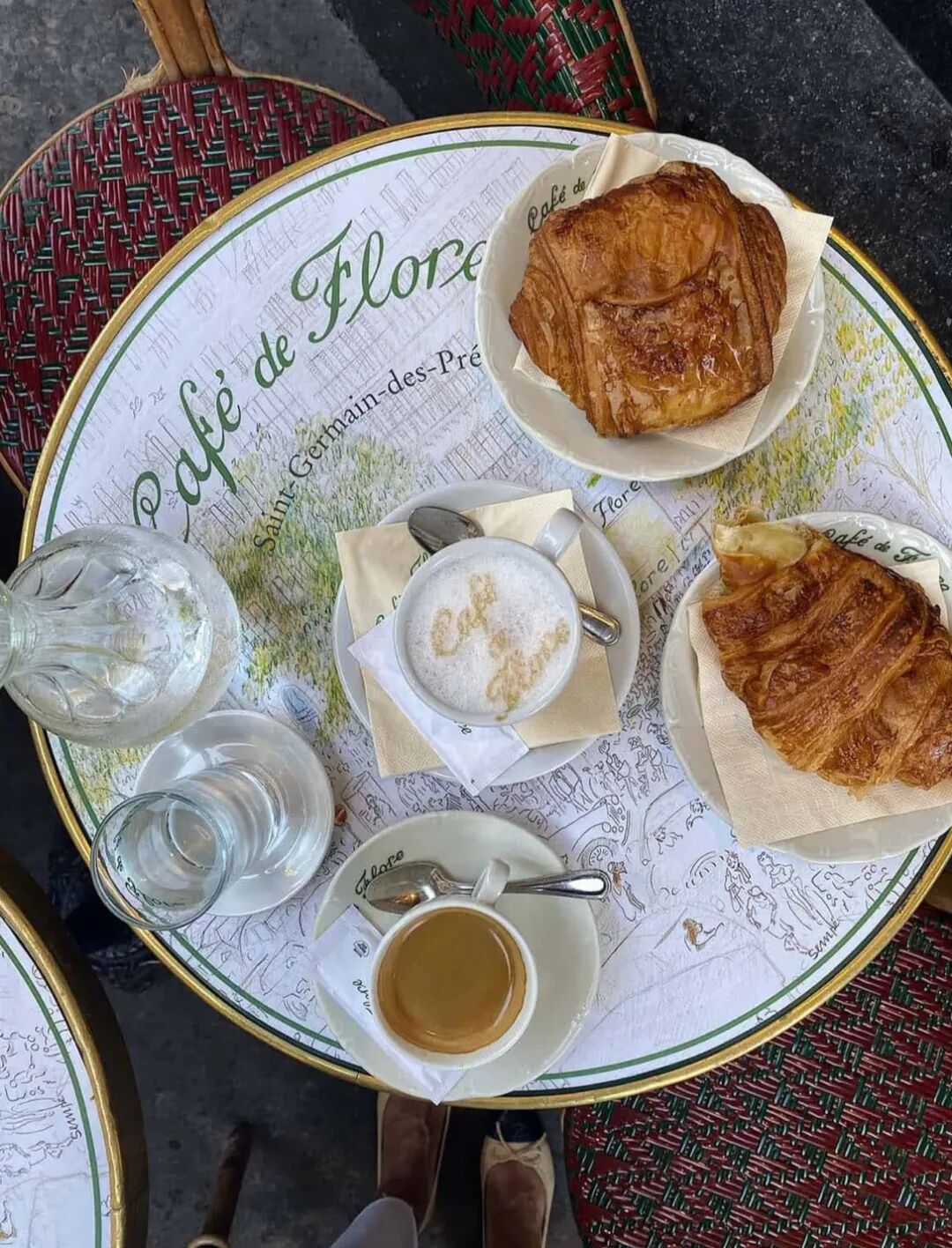
Many people imagine moving to France as sipping coffee on the Left Bank, strolling through weekend markets, and watching their children speak fluent French. But once they arrive, they quickly realize that France's first lesson for newcomers is not romance—it's paperwork. Not relaxation—it's documentation. Not "bonjour"—it's "please provide another proof of address." The shared experience of many expats can be summed up in one sentence: You aren't moving into France; you are gradually being admitted by the French administrative system.
The first thing to do is not to rush into decorating your home like Betty Blue, but to obtain a usable proof of address as soon as possible. In France, an address is not just a piece of living information—it is your administrative pass. Without it, banks treat you like a tourist, telecom providers see you as a passerby, and many administrative procedures will politely lock you out. Pushi's team will remind you repeatedly: in the early days of relocation, what matters most is not aesthetics but file management. French society judges whether you have "settled down" not by whether you've bought a coffee machine, but by whether you can produce a justificatif de domicile.
The second thing is to open a local French bank account. This may sound simple, but it is actually a crucial step. That's because in France, a RIB (bank account details) is not just an accessory to your bank card—it is like the plug to adult life: your salary, rent, health insurance reimbursements, phone bill payments—all of them need to be plugged in to work. If your account application is rejected, don't take it as a personal drama. France has a clear droit au compte (right to an account) system: eligible individuals can request a basic banking service from a bank designated by the Banque de France. In France, banks may not always be welcoming, but the system is generally more reliable than people.
The third thing is to start your social security enrollment and obtain your Carte Vitale as soon as possible. This small green card may not have the allure of a luxury item, but it carries significant practical value. The official French explanation is straightforward: the *Carte Vitale* is free, personal, and used to identify your health insurance status and accelerate reimbursements. In short, it won't make you more French, but it will reduce the amount of money you have to pay upfront. Many newcomers to France complain that this step tests not their intelligence but their patience—submit the documents, the system receives them, and then you will deeply understand the meaning of "French-style processing." French administration rarely rejects you outright; it is more skilled at training you to become an emotionally stable adult.
The fourth thing: don't forget about getting a local mobile number. You'll quickly discover that in France, without a local number, many services will assume you are just passing through. Yet when you try to sign up for a mobile plan, you often need proof of identity, a French address, and even a French bank account. The logic is very French: you have to prove that you are already here in order to conveniently continue staying here. Life in France is like a chain of interlocking keys—if you're missing one, all the doors are there, but you just can't open them.
Finally, here is a piece of honest advice for newcomers: don't romanticize France too much, but don't think of it as overly difficult either. It is simply a highly institutionalized country. Things move a bit slowly, but there is always a system behind them. The moment you truly feel secure here isn't the first time you sit on a terrace enjoying the sun—it's the first time you successfully complete the entire process of securing your address, bank account, health insurance, and phone plan. In that moment, you will understand: the real maturity of moving to France is not measured by how much French you speak, but by finally learning to organize your life into a well-ordered dossier.