No investment required, no language requirement—a certificate of deposit is all it takes to start your life in France.
For high-net-worth individuals who aspire to a European lifestyle, France V1 VLSTS Visa program is becoming an increasingly popular choice. Launched in 2006, this program aims to attract applicants who have sufficient assets and wish to settle in France stably without the need for employment.
The greatest advantage of this program is that applicants can obtain a temporary residence permit within six months. After renewing it for five years, they can qualify for permanent residency and even apply for citizenship.

Who Is This Program For?
France V1 VLSTS Visa program primarily targets three groups.
High-net-worth individuals who do not need to work and are seeking a higher quality of life; families planning to send their children to study in France are also among the main applicants.
Additionally, those who love French culture and lifestyle and intend to retire in France are well-suited for this program.
This program is particularly ideal for individuals over 40 who need to settle in France, travel frequently within the Schengen area, have business dealings in France or Europe, or have a passion for the arts.

Application Requirements
Applicants for France's non-profit immigration program must meet certain financial requirements. For a single main applicant, non-wage income is recommended to be at least €36,000 per year, or the applicant should have savings equivalent to €500,000 or more.
For a spouse, an additional €18,000 is required, and for each child, an additional €9,000 in savings needs to be demonstrated.
Applicants must have a legal address in France, whether by renting or purchasing property.
Each applicant is required to purchase supplementary health insurance, costing approximately €600 per person per year.
It is worth noting that applicants must sign a declaration stating they will not work in France, though they may engage in entrepreneurial investments, trade, or business activities.
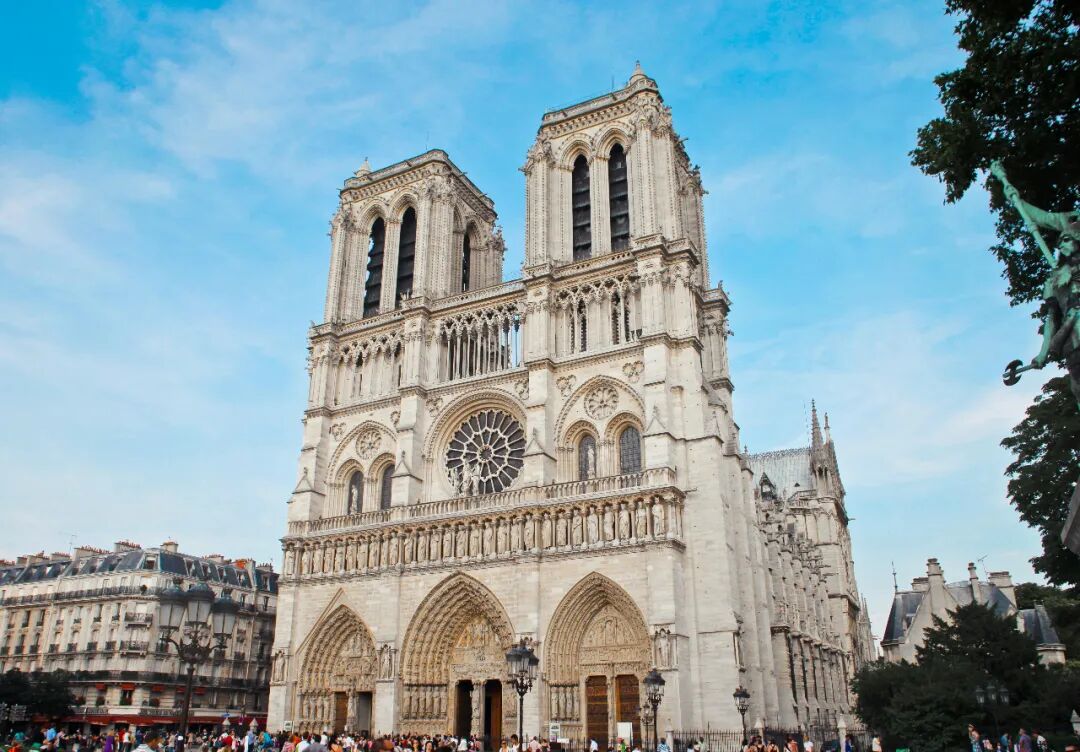
Application Process and Timeline
The application process for France's non-profit immigration program is relatively straightforward and fast, with the entire process taking about 3 to 6 months.
First, secure an address in France by renting or purchasing property.
Next, prepare the required documents and submit your application to the French Immigration Office and the French Embassy in China.
After approval from the Immigration Office (1–2 months), you will be invited for an interview at the French Embassy in China to verify your identity and obtain a visa for entry into France.
Finally, enter France, activate your immigration visa, and receive your official residence permit within 1 to 2 months.

Program Advantages and Benefits
France V1 VLSTS Visa offers multiple advantages. It has no age, language, or educational requirements.
One applicant can obtain status for two generations of their family at the same time.
Once status is granted, applicants and their family members can enjoy France's high-quality welfare benefits, including free healthcare and free education.
Holders of the residence permit can travel freely among the 29 Schengen countries.
Children under the age of 11 who have resided in France for five years can apply for French citizenship without a language requirement.

Renewal and Permanent Residency Requirements
The initial France V1 VLSTS Visa is valid for one year and must be renewed before expiration, generally two months in advance each year.
The renewal conditions are consistent with the initial application requirements, including not working in France, maintaining a valid address, and having sufficient financial resources.
The one-year visa can be renewed annually without a language requirement, and after five years, holders may apply for a French long-term residence card (permanent residency).
For applicants who meet the conditions, after five years they can apply for French permanent residency or directly apply for citizenship.
Many individuals choose to hold the non-profit residence card long-term, as the benefits and welfare it offers are essentially the same as permanent residency, without the associated language or residency requirements.
Strolling along the Seine, savoring the aroma of Left Bank coffee, and watching your children grow within a high-quality education system—all of this may be closer than you imagine.